CLTC, WLTP and Real Range: How to Read the Specs
"700 km of range" in the ad and a real 550 km on the highway isn't a lie — they're different measurement standards. To avoid disappointment, you need to know which cycle is quoted. Let's break it down like an expert.
Three standards
- CLTC (China): the most "optimistic" cycle, which most Chinese cars quote. The numbers here are the largest.
- WLTP (Europe): stricter than CLTC, closer to reality; usually 10–20% below CLTC.
- EPA (USA): the strictest and most conservative, closest to real driving.
Simple rule: if you see a big range figure on a Chinese car, it's almost certainly CLTC.
How to translate it to reality
A practical estimate: subtract about 15–25% from the CLTC figure to get real-world range in mixed driving. On the highway at speed and in winter, consumption is higher; in the city, lower.
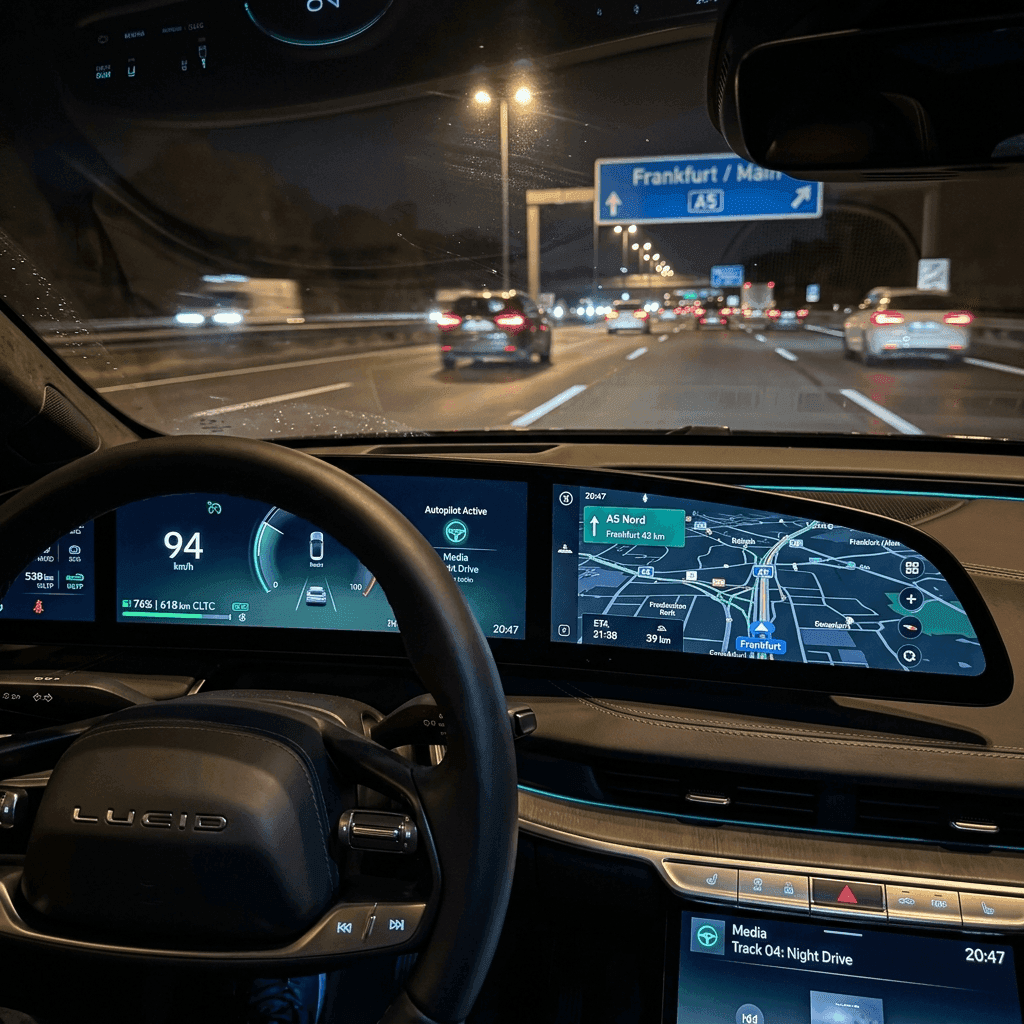
Example: a claimed 700 km CLTC → expect ~550–600 km in mixed use, less in winter on the highway.
What else affects real range
- Speed: at 120 km/h on the highway, consumption is noticeably higher than in the city.
- Temperature: range drops in winter (heating + a cold battery) — more in the winter operation guide.
- Driving style and climate control.
Verdict
Don't compare raw numbers across cars without confirming they're in the same standard. Aim at the real range (CLTC minus 15–25%) and your daily mileage. For most people in Uzbekistan, even a real 350–400 km is a week of city driving. The catalog helps you choose by real range.