Running an EV in Winter in Uzbekistan: What to Know
Uzbekistan's winters aren't arctic, but frosts happen, and they affect an EV more than a petrol car. It's not a "fault" — it's physics: range drops in the cold. The good news is you can manage it. Here's how.
Why range is lower in winter
Two reasons:
- A cold battery delivers less energy and charges more slowly.
- Cabin heating draws energy from the same battery (in a petrol car heat is a "free" by-product of the engine).
Real range loss in frost is usually 15–30% depending on temperature and driving style.
How to preserve range
- Preconditioning from the grid. Warm the cabin and battery while the car is still plugged in — the energy comes from the grid, not the battery. The most effective trick.
- Heat pump. If your version has one, it heats the cabin far more efficiently than a resistive heater. A useful option on a winter car.
- Seat and steering-wheel heating instead of heating the whole cabin — saves a lot of energy.
- Charge while warm (a warm garage/parking) — a warm battery charges faster and more efficiently.
Battery care in winter
- Don't leave it at very low charge in hard frost for long.
- Keep the charge in the 20–80% range for daily use.
- LFP batteries (like the BYD Blade) are generally more robust — more in the Blade battery guide.
Verdict
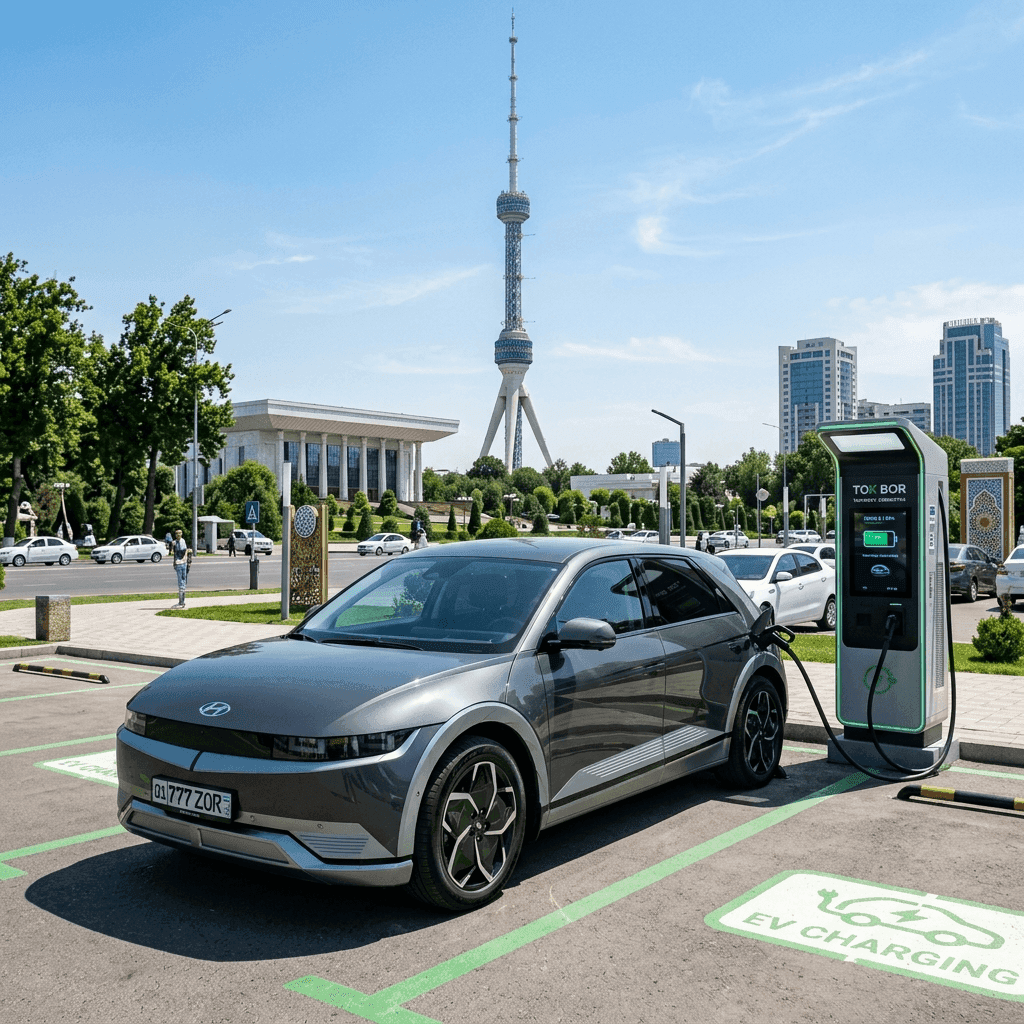
An EV is fully usable in Uzbekistan in winter — you just need to account for the range drop and use grid preconditioning. If you drive a lot on intercity highways in winter, choose a model with range to spare or consider a range-extender. Find one in the catalog; how to read real range is in the CLTC vs WLTP guide.