Are Chinese Cars Reliable in 2026?
"Chinese means unreliable" is a 2000s stereotype. In 2026 that's no longer true — but blindly trusting everything isn't wise either. Let's be honest about where China's auto industry genuinely leads and where there are caveats.
What changed
China covered in a few years the road Korea took decades to walk — thanks to a huge domestic market and a bet on EVs. Today BYD is one of the world's largest carmakers, Geely owns Volvo, and the engineering standards of top brands rival Europe's.
Strengths
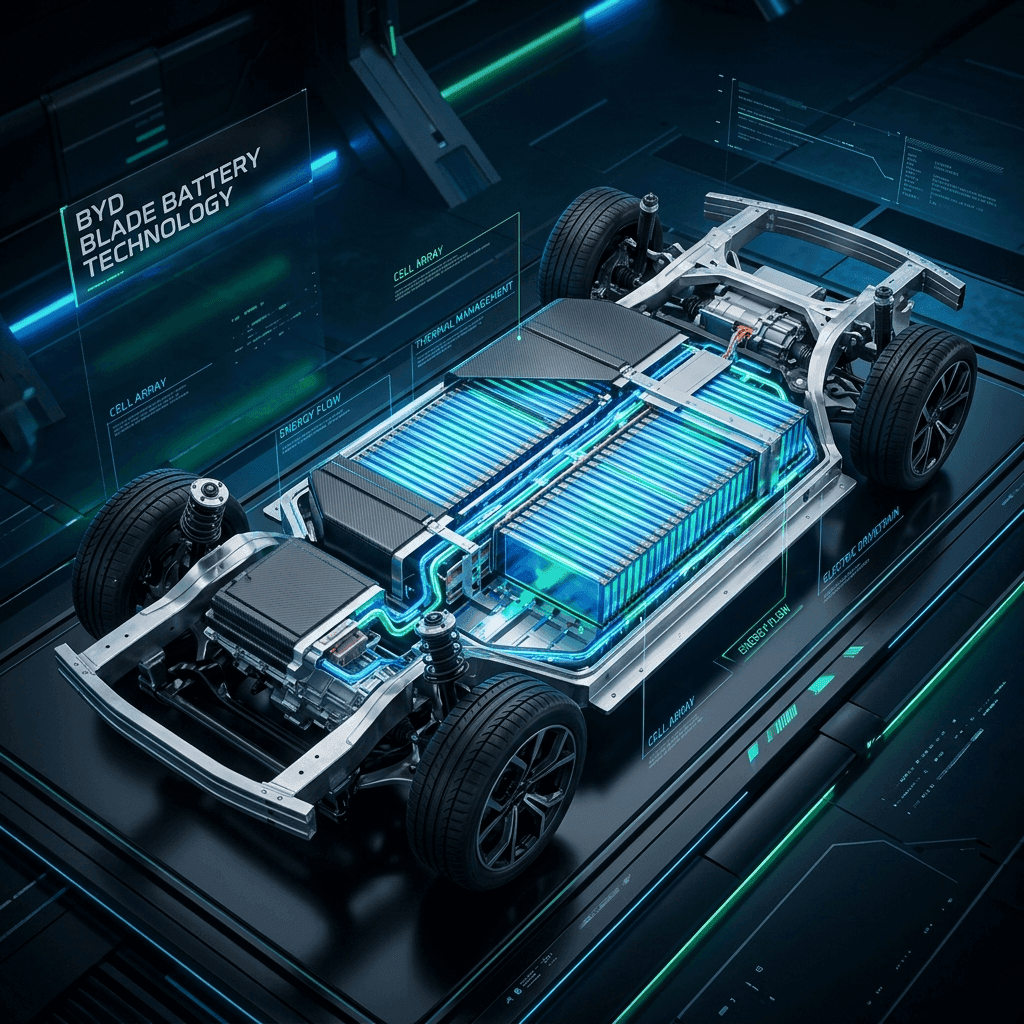
- Batteries: BYD's Blade (LFP) is one of the safest, longest-lived battery technologies in the world, good for hundreds of thousands of kilometres and resistant to fire. Many global brands buy their batteries from the Chinese.
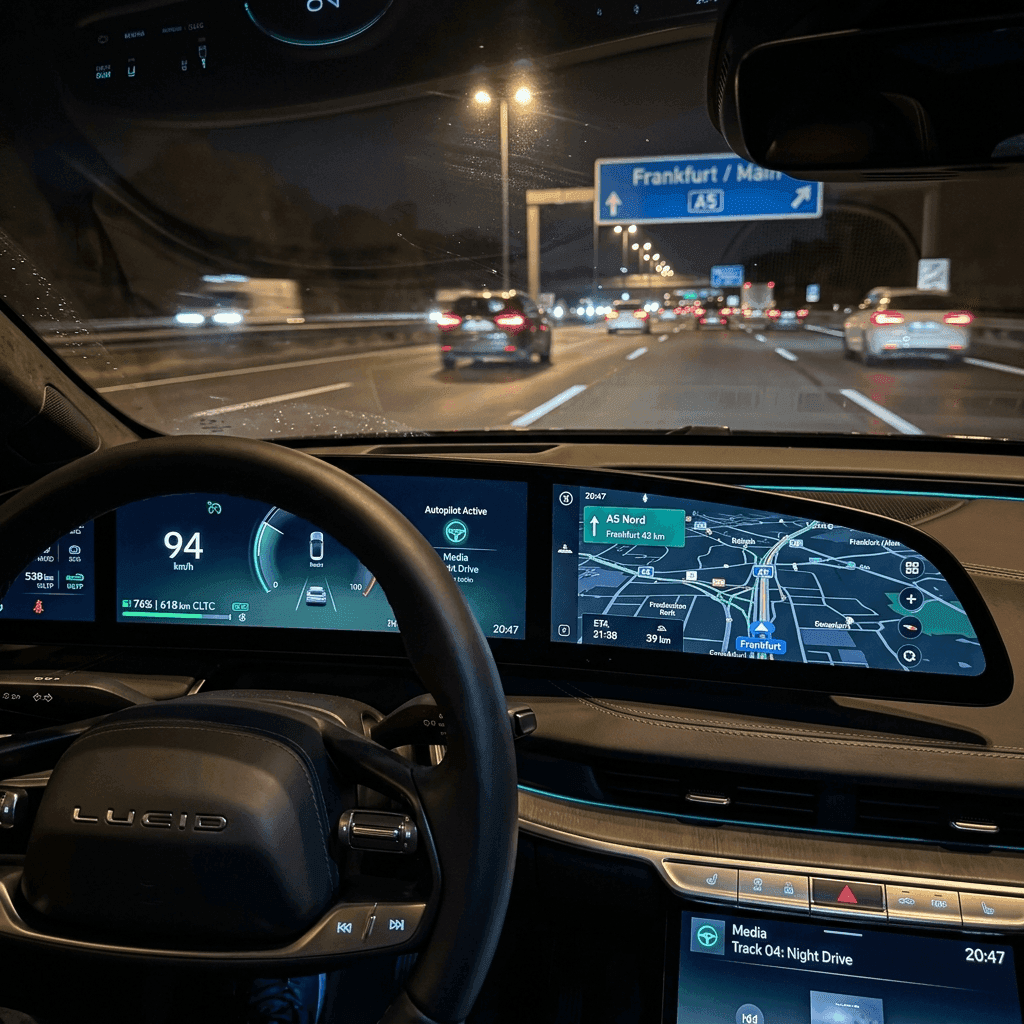
- Electronics and software: Chinese cars often outpace European ones on screens, assistance and "smart" features.
- Equipment and build: material quality and fit in the mid and premium segments has risen sharply.
- Warranty: long battery warranties (often 8 years / high mileage) are a direct signal of manufacturer confidence.
What to actually check
- Support and parts in Uzbekistan: choose models with an established parts supply and service — that matters more than spec-sheet numbers.
- Software and updates: lots of electronics means dependence on updates; pick proven, popular models.
- The specific car: brand reliability doesn't replace checking the individual vehicle (history, VIN, trim).
Verdict
In 2026, a well-chosen Chinese car is reliable. The key isn't the country of origin but choosing a mature, popular model with a warranty and support. Those are exactly the models we import — see the catalog, and how to buy safely in our avoiding scams guide.