The Best EV for Taxi Work in Tashkent
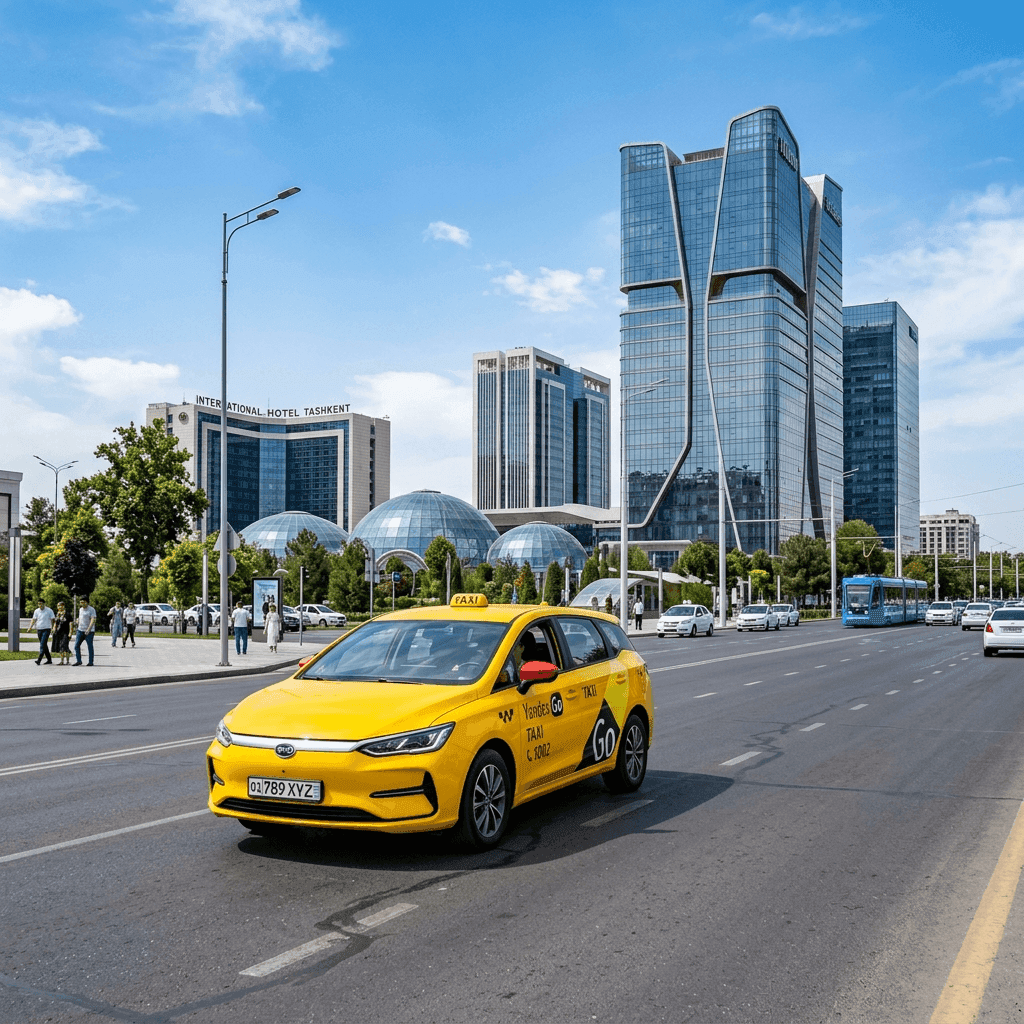
For a taxi driver, what matters isn't the purchase price but the cost per kilometre. This is exactly where an EV shines: at 200–300 km a day, the "fuel" cost gap versus petrol is huge. Let's see why it pays off and what to buy.
Why an EV pays off in taxi work
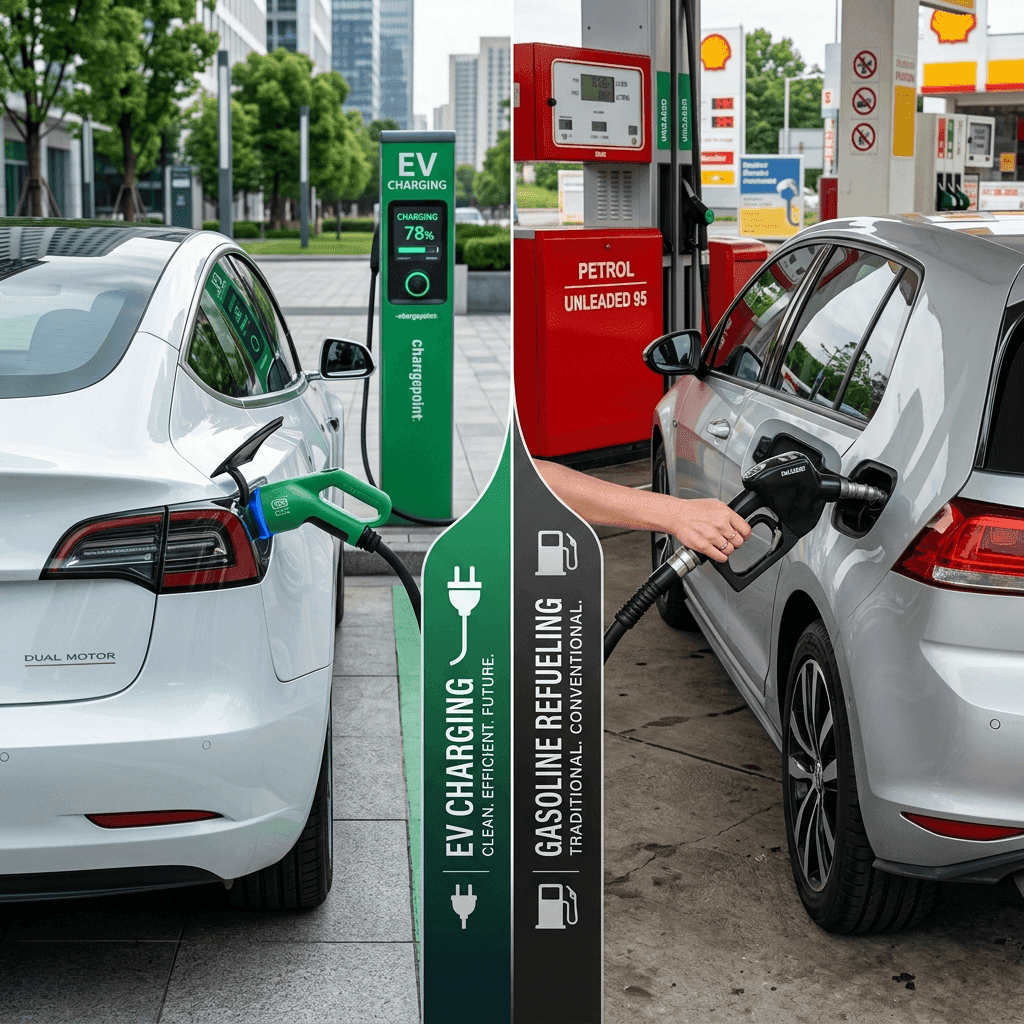
- Fuel: an EV uses ~15–18 kWh per 100 km. With home/night charging, the cost per 100 km is several times lower than petrol. At 250 km a day the savings pile up fast.
- Maintenance: no oil changes, spark plugs or clutch. For a high-mileage driver that's a huge saving and less downtime.
- Clearance: 0% duty lowers the entry price versus a petrol car of the same class.
What matters for taxi work
- Range: enough to cover a shift without long stops. The city cycle is gentle; a real 300–350 km is comfortable.
- Battery durability: LFP (Blade) handles daily cycling and Tashkent heat calmly.
- Low entry price: the cheaper the car, the faster the payback.
- Space and comfort: for passengers and luggage.
The best models
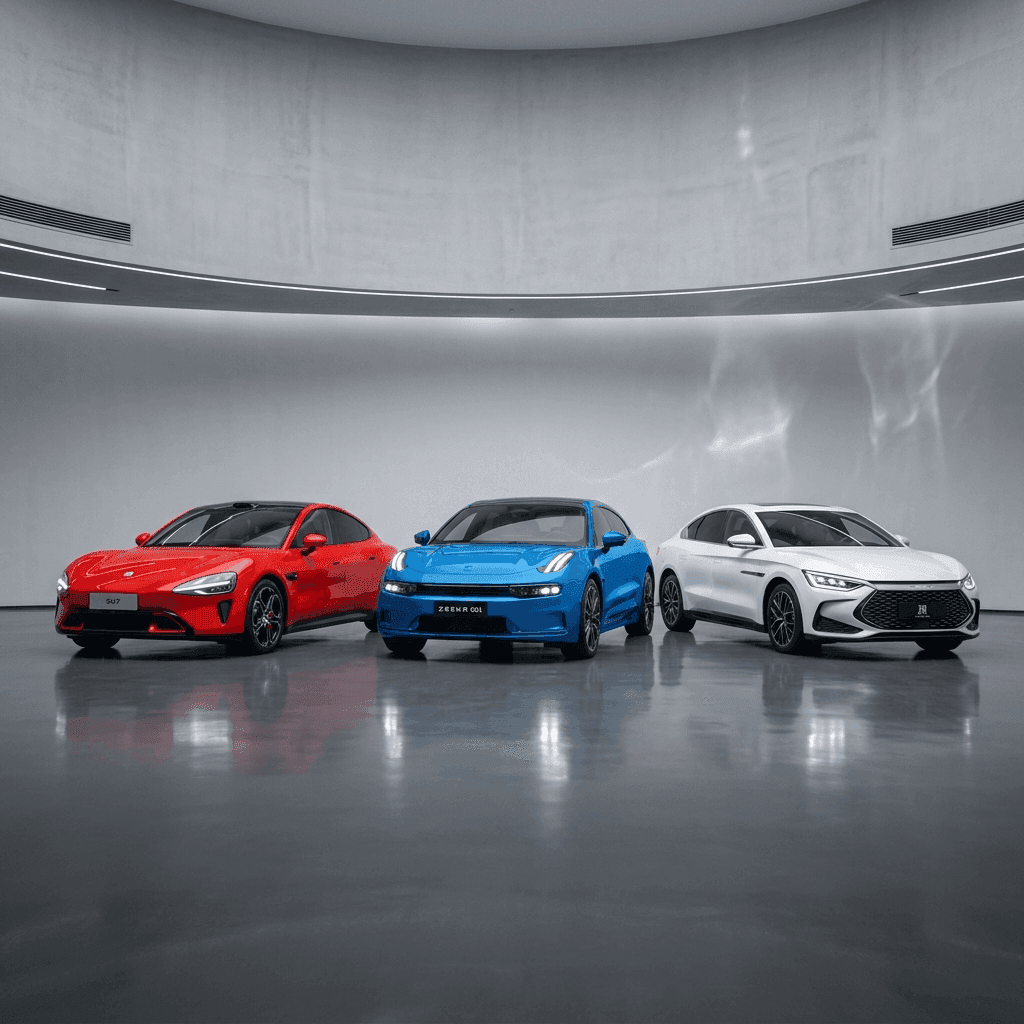
- BYD Dolphin / Seagull: low entry price + cheap charging = fast payback. The ideal "working" EV.
- BYD Atto 3 / Seal: if you want more comfort and space for premium fares.
Payback
Thanks to fuel and maintenance savings over high mileage, the price gap versus a petrol car usually pays back noticeably faster than for an ordinary owner. Estimate your own economics using the logic in the EV vs petrol guide, and the full cost with clearance in the calculator. Models in the catalog.