EV or Petrol: What's Really Cheaper Over 5 Years in Tashkent
The "EV vs petrol" debate usually runs on emotion. Let's run the numbers — total cost of ownership (TCO) over 5 years in Uzbekistan. We count four lines: purchase with clearance, "fuel", maintenance and depreciation.
1. Purchase and clearance — the first big difference
Here the EV wins immediately. On import:
- EV: 0% duty, 0% excise, 12% VAT and a recycling fee. On a $25,000 car clearance adds about $7,000.
- Petrol car: 15–40% duty by age + a per-cm³ engine charge + 12% VAT + recycling fee. On a comparable $25,000 petrol car, clearance is usually substantially more.
So the EV saves thousands on duty from the start. Calculate exact figures for a specific car in the calculator; how the charges work is in the customs guide.
2. "Fuel": charging vs petrol
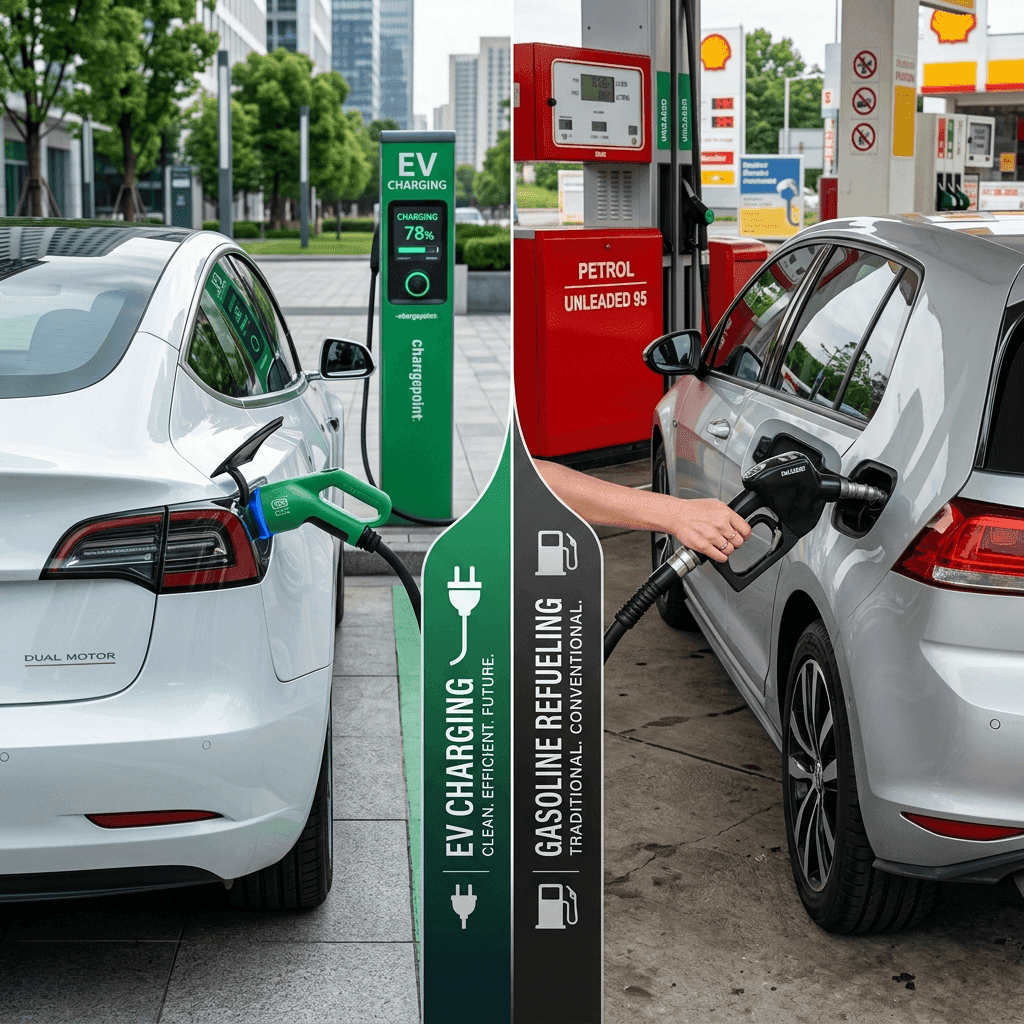
The main daily saving. An EV uses about 15–18 kWh per 100 km in the city. Charging at home on the night tariff, the "fuel" cost per 100 km is several times lower than petrol for an equivalent car. Over 5 years and 75,000 km the gap easily reaches several thousand dollars in the EV's favour.
3. Maintenance
An EV has no oil, spark plugs, timing belts, exhaust or complex gearbox. Routine service is essentially the cabin filter, brakes and tyres. The EV wins here too — maintenance is several times cheaper than a petrol car's.
4. Depreciation
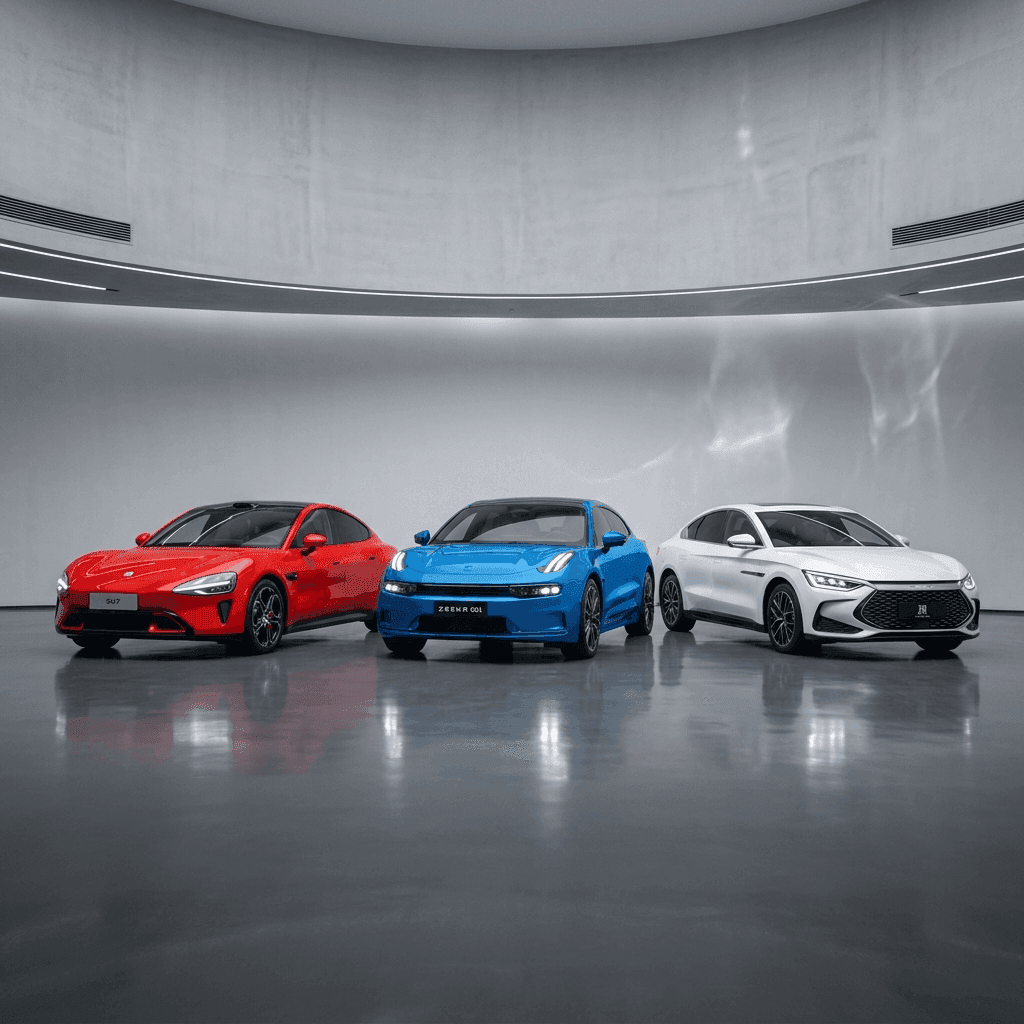
This used to be the main argument against EVs, but the market changed: quality models from BYD, Zeekr and others hold value increasingly well, especially with a battery warranty. Petrol depreciation is predictable. The gap has narrowed — more in our EV resale value guide.
The 5-year verdict
| Line | EV | Petrol |
|---|---|---|
| Clearance | Lower (0% duty) | Higher (15–40% duty) |
| "Fuel" | Much lower | Higher |
| Maintenance | Lower | Higher |
| Depreciation | Comparable | Comparable |
Bottom line: for daily city driving with home charging, an EV is almost always cheaper to own over 5 years — thanks to zero duty, cheap charging and simple maintenance. A petrol car makes sense if you drive a lot between regions without charging infrastructure — in which case consider a range-extender hybrid (also 0% duty). Run your scenario in the calculator and pick a model in the catalog.